
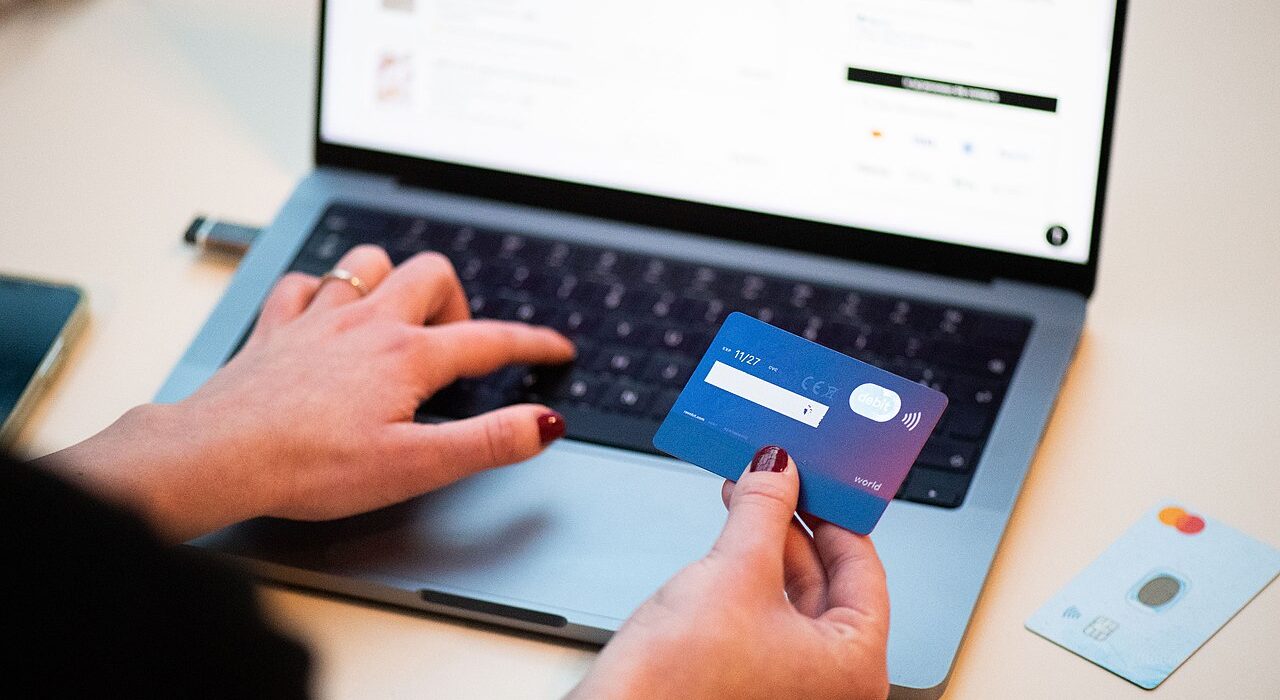
If you make or stock products, selling online is no longer a side experiment; it is one of the most practical ways to grow without signing a second shop lease. It lets you reach customers in other cities and countries, test new products cheaply and keep selling while you sleep. This article sets out the concrete reasons to sell online, the honest challenges, and a step-by-step plan to make your first online sales.
Key takeaways
- Selling online adds a nationwide, round-the-clock sales channel for a fraction of the cost of opening another physical shop.
- An online store lets you test new products, prices and bundles quickly and see results in days rather than seasons.
- Cash on delivery returns, delivery reliability and trust are real challenges, but each has proven fixes.
- Online and in-store sales work best together, sharing one stock count and one customer list.
- A focused 30-day launch plan, starting with your best sellers, beats trying to list everything at once.
The opportunity: customers are already shopping on their phones
Pakistan’s online audience is large and growing. Figures from the Pakistan Telecommunication Authority reported by Profit put broadband subscribers at about 150 million, with broadband penetration rising from 53.6% in June 2023 to 60.8% in June 2025. Most of these people discover products through social media, search and messaging apps, and many of them are already comfortable ordering online, especially when cash on delivery is available.
For international sellers and overseas Pakistanis, the opportunity runs in both directions: Pakistani brands can sell to the diaspora abroad, and buyers abroad can send gifts to family at home. Neither is possible from a shop counter alone.
Seven practical reasons to sell your products online
1. Reach beyond your street and city
A shop in Hyderabad serves people who can get to Hyderabad. An online store can take orders from Peshawar, Quetta, Gilgit and, if you choose, from abroad. Products with a clear niche, such as organic food, handmade jewellery, specialist fitness gear or regional textiles, often find their best customers far from where they are made.
2. Sell 24 hours a day, 7 days a week
Many people shop late at night or on weekends after scrolling social media. An online store takes those orders automatically. There is no closing time, no missed customer because the shutter was down, and no extra staff cost for longer hours.
3. Lower costs than another physical outlet
Opening a second shop means rent, security deposit, fit-out, utilities, staff and stock for display. An online store replaces most of those with a monthly platform fee, delivery costs and marketing. The comparison below is qualitative because actual costs vary widely by city and business, but the structure of the costs is very different.
| Cost area | Second physical shop | Online store |
|---|---|---|
| Premises | Monthly rent plus advance or deposit | No premises needed beyond storage |
| Setup | Interior fit-out, signage, furniture | Theme setup, product photos, descriptions |
| Staff | Salespeople for every opening hour | Order processing and customer support |
| Utilities | Electricity, generator or UPS, internet | Included in hosted platform fee |
| Reach | Local footfall | Nationwide and international |
| Variable costs | Low per sale | Delivery, payment fees, returns, advertising |
4. Test products and prices quickly
In a shop, testing a new product means buying stock, finding shelf space and waiting weeks to see if it moves. Online, you can list a small batch, run a modest ad and see within days whether people click, add to cart and buy. You can also test price points, bundles (“buy the set and save”) and free delivery thresholds and measure the effect on orders.
5. Build a customer list you own
Every online order adds a customer record: name, contact details, address and purchase history. That list lets you bring people back for repeat purchases, announce restocks and new collections, and reward loyal customers, which usually costs far less than finding new customers through ads.
6. Give your marketing somewhere to land
Social posts, influencer collaborations and paid ads all perform better when they link to a page where people can buy immediately. Without a store, interested customers must message you, wait for a reply and negotiate details, and many drop off along the way.
7. Grow the value of your brand
A business with an established online store, a customer base and sales history is more resilient and easier to expand. It can add new product lines, open new sales channels or partner with retailers from a stronger position.
Is your product ready to sell online?
Almost anything can be sold online, but some products need more preparation than others. Run through this checklist for each product line:
- Can it be shipped safely? Fragile, heavy, liquid or perishable items need suitable packaging and a courier that handles them.
- Is the margin enough after delivery and payment costs? A low-priced item with high delivery cost may work only in bundles or above a minimum order value.
- Can you describe it clearly? Sizes, materials, ingredients, dimensions and care instructions should be easy to explain in writing and photos.
- Will customers buy it without touching it? If not, plan for size guides, close-up photos, videos and a simple exchange policy.
- Do you have reliable stock? Selling products that then turn out to be unavailable damages trust quickly.
- Are there any legal or platform restrictions? Some categories, such as medicines, may need licences or have advertising restrictions.
The honest challenges, and how to handle them
Selling online is not effortless. These are the issues sellers most commonly face, along with practical responses.
Cash on delivery refusals and returns
Customers sometimes refuse a parcel at the door, which costs you delivery both ways. Reduce this by confirming orders by phone or WhatsApp before dispatch, showing accurate photos and sizes, stating delivery times honestly, and encouraging card payments for repeat customers. Our article on cash on delivery vs card payments in Pakistan covers this in depth.
Delivery speed and reliability
Your customer judges your brand by the courier’s performance. Compare couriers on coverage, delivery times, COD remittance speed and how they handle returns, and consider using more than one for different regions. See our guide to shipping and delivery strategy in Pakistan.
Earning trust as a new store
First-time buyers need reassurance. Show your contact details, publish clear policies, use SSL, answer questions quickly through live chat, and display customer reviews once you have genuine ones.
Standing out among competitors
You will rarely win on price alone. Compete on clear product information, better photos, faster responses, reliable delivery and a brand customers remember.
Online and in-store: better together
If you already run a shop, selling online does not compete with it. The two channels reinforce each other:
- Customers can browse online and then visit the shop to see or try the product.
- In-store customers can reorder online later without travelling.
- One stock count across both channels prevents selling the same item twice.
- A combined customer list lets you market to everyone who has bought from you, wherever they bought.
A point-of-sale (POS) system connected to your online store makes this practical, because every sale updates the same inventory and customer records.
A 30-day plan to start selling online
Use this step-by-step plan to go from no store to your first online orders.
- Days 1–3: Choose your starting range. Pick 10 to 30 of your best-selling or most distinctive products. You can add the rest later.
- Days 3–7: Prepare product content. Shoot clean photos on a plain background in good daylight, and write descriptions with sizes, materials, care instructions and benefits.
- Days 7–10: Set up your store. Choose a platform and theme, add your logo and brand colours, and upload products with variations, prices and stock levels.
- Days 10–12: Configure payments and delivery. Enable cash on delivery and card payments, set delivery charges and write your refund, exchange and shipping policies.
- Days 12–14: Install tracking. Add Google Analytics and the Meta Pixel so you can measure visits and conversions from day one.
- Days 14–16: Test everything. Place test orders on mobile and desktop, try both payment methods and check order notification emails.
- Days 16–30: Launch and promote. Announce the store to existing customers, link it from your social profiles, run a small ad campaign and follow up every order personally to learn what customers think.
Tip: At the end of the first month, look at three numbers: visitors, orders and the percentage of orders that were delivered successfully. Fix the weakest of the three before spending more on advertising.
How Baselyne helps
Baselyne is a hosted store builder from Pakistan built around this exact journey: sign up, pick a theme, upload your products, then advertise and earn. Stores support unlimited products with variations and individual prices, cash on delivery alongside Visa and Mastercard, integrated shipping, inventory management, live-chat support, Google Analytics and the Facebook Pixel. You can explore everything on the features page.
If you also sell in a shop, the Baselyne POS Setup service connects your counter sales to the same system, so stock and customer records stay in one place. Compare plans on the pricing page, or start the 14-day free trial and list your first products today. If you have questions about your category, the team can be reached through the contact page.
Frequently asked questions
What kinds of products sell well online?
Products that are easy to describe and ship, have healthy margins and appeal to a clear audience tend to do well, such as clothing, beauty and personal care, food specialities, accessories, home goods and niche hobby products. Almost any product can work with the right photos, information and delivery setup.
Do I need a registered company to sell online in Pakistan?
Many small sellers start as sole proprietors, but requirements for tax registration, card payment accounts and certain product categories vary. Check your situation with a tax adviser or accountant before you scale, particularly if you plan to accept card payments.
How do I reduce cash on delivery returns?
Confirm orders before dispatch, show accurate photos and size guides, state delivery times honestly and keep customers updated on their parcel. Encouraging card payments for repeat buyers also helps.
Can I sell to customers outside Pakistan?
Yes, if you accept card payments and arrange international shipping. Start with clear delivery charges and timelines for each destination, and consider gift-focused products that appeal to overseas Pakistanis.
How many products should I list when I start?
Start with 10 to 30 strong products that you have in stock and can photograph and describe well. A small, polished range sells better than a large, incomplete one.