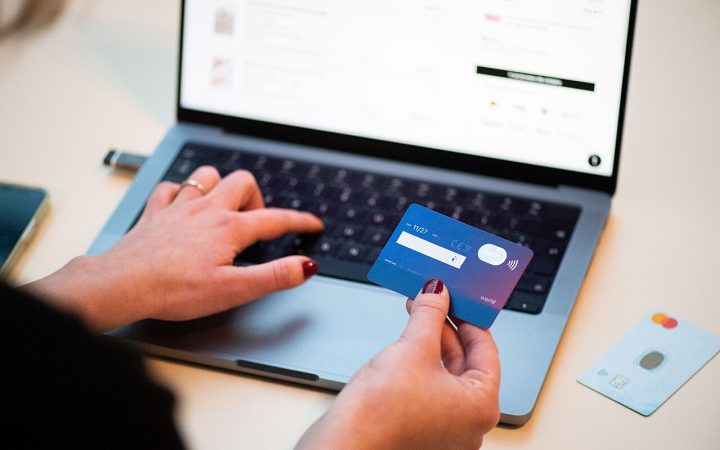

Many businesses already sell online through Instagram DMs, WhatsApp groups or a marketplace listing, so it is fair to ask whether a dedicated e-commerce website is worth the effort. It is, and the reasons go beyond “being online”: a website gives you ownership of your customers, your data and your brand, and it turns a chaotic inbox into an organised sales system. This article explains what a store website actually changes for your business and what it needs to include to deliver those benefits.
Key takeaways
- Social media and marketplaces are good for discovery, but you do not own the customer relationship or the rules there.
- An e-commerce website takes orders around the clock and reaches customers far beyond the city where you operate.
- Structured orders, inventory and customer records replace manual DMs and spreadsheets, reducing errors and missed sales.
- Analytics and pixel tracking show which products, channels and campaigns actually make money.
- A website pays off when it is set up properly: mobile-friendly, secure, with clear payment, delivery and return information.
Where most businesses sell today, and the limits of each channel
Before deciding on a website, it helps to be honest about the channels you already use. Each has strengths, and a website does not replace them so much as give them a home base.
| Channel | Strengths | Limitations |
|---|---|---|
| Social media pages and DMs | Free to start, great for discovery and building a following | Orders handled manually, prices repeated in every chat, reach controlled by the platform’s algorithm, no proper order history |
| WhatsApp orders | Personal and familiar for customers in Pakistan | Hard to scale beyond a few dozen orders a day, easy to miss messages, no catalogue search or stock control |
| Online marketplaces | Large built-in audience and existing buyer trust | Commissions and fees on each sale, price competition beside rival sellers, limited branding, customer data stays with the marketplace |
| Your own e-commerce website | Full control of brand, prices, customer data and policies; automated orders and payments | You need to bring traffic through marketing, search and social media |
The pattern is clear: other channels are rented space. Your website is property you own. The healthiest setup for most growing businesses is to use social media and marketplaces to find customers, then bring them to a website where repeat purchases happen on your terms.
Reach customers at any hour, anywhere
A physical shop is limited by its opening hours and by how far customers are willing to travel. A website is not. Someone in Multan can order from your Karachi store at midnight; a customer in Dubai can send a gift to family in Islamabad on a Sunday.
The audience is there. According to figures from the Pakistan Telecommunication Authority reported by Profit, Pakistan had about 150 million broadband subscribers, with broadband penetration rising from 53.6% in June 2023 to 60.8% by June 2025. A Cabinet Division reply to the Senate, reported by ProPakistani, put 4G mobile users at 141.4 million in 2024-25. Most of your future customers will therefore meet your store on a phone, which is why a mobile-friendly store matters as much as the store itself.
What “always open” means in practice
- Customers can browse full product details, prices and stock without waiting for a reply.
- Orders come in while your team sleeps and are ready to process in the morning.
- Seasonal peaks such as Eid, wedding season, back-to-school or 11.11 sales do not depend on how many people are answering messages.
- Overseas customers in different time zones can buy without coordination.
Own your customer relationships and data
When someone buys through your website, you capture their name, contact details, delivery address and what they bought. Over time this becomes one of your most valuable business assets.
What you can do with your own customer data
- Repeat sales: notify past customers when a product they bought is restocked or a new collection arrives.
- Segmentation: treat customers who have ordered five times differently from first-time buyers, for example with early access or loyalty discounts.
- Better service: when a customer calls, see their purchase history immediately instead of scrolling through old chats.
- Smarter advertising: build audiences of past buyers and visitors for retargeting campaigns, rather than paying to reach the same people from scratch.
On a marketplace, much of this information stays with the platform. On social media, it is scattered across message threads. A website with customer management keeps it in one place.
Build credibility and a recognisable brand
A professional website with your own domain signals that you are an established business, not a page that might disappear tomorrow. That matters especially for first-time buyers and for higher-value products, where customers want reassurance before paying.
Credibility comes from specific details, not just a nice design:
- A domain name that matches your brand and an SSL certificate (the padlock in the browser address bar).
- Clear refund, exchange and delivery policies that customers can read before ordering.
- A real contact address, phone number and responsive support channel.
- Consistent product photography and detailed descriptions.
- Professional email addresses on your own domain rather than a free email account.
Your website also becomes the reference point for everything else you do. Influencer collaborations, print packaging, business cards and paid ads can all point to one address where the full brand story lives.
Run operations with less manual work
The hidden cost of selling only through DMs is time. Every order involves repeating prices, confirming sizes, copying addresses, checking whether stock is available and updating a spreadsheet. Mistakes are inevitable when volume grows.
An e-commerce website automates much of this:
| Task | Manual (DMs and spreadsheets) | With an e-commerce website |
|---|---|---|
| Sharing prices and details | Typed out in every conversation | Shown on each product page, always up to date |
| Checking stock | Ask the warehouse or check a sheet | Stock levels update automatically with each order |
| Capturing addresses | Copied from chats, often incomplete | Collected through a structured checkout form |
| Payments | Bank transfer screenshots or cash on delivery only | Card payments and cash on delivery handled at checkout |
| Shipping | Booking couriers one by one | Integrated shipping workflows and order statuses |
| Sales reporting | Compiled by hand at month end | Reports available from the dashboard at any time |
The time saved can go into sourcing better products, creating content and serving customers, which is where growth actually comes from.
Make decisions with real data
A website tells you things no inbox can. With analytics in place, you can see how many people visited, where they came from, which products they viewed, where they dropped off and what they bought.
Questions your website data can answer
- Which Instagram post or ad campaign led to actual orders, not just likes?
- Which products get lots of views but few purchases? (Often a sign of a price, photo or description problem.)
- What is your average order value, and does it rise when you offer free delivery above a certain amount?
- How many customers come back to buy again within three months?
- Which cities generate the most orders, and where should you focus delivery partnerships?
Tools like Google Analytics and the Meta (Facebook) Pixel make this possible. Our guide to using Google Analytics and the Meta Pixel to grow your online store explains how to set them up and what to measure.
What your e-commerce website must include
The benefits above only appear when the website is built properly. Use this checklist before launch:
- Mobile-friendly design that loads quickly on ordinary phones and data connections.
- Clear navigation with categories that match how customers think about your products.
- Complete product pages with several photos, variations and prices, size or specification details and stock status.
- Multiple payment options, typically cash on delivery and card payments for Pakistani customers, plus card payments for overseas buyers.
- Transparent delivery information: charges, estimated times and coverage areas, shown before checkout.
- Written policies for refunds, exchanges, privacy and terms of use.
- Security: SSL across the whole site and a reputable payment provider.
- Customer support through live chat, phone, WhatsApp or email, with response times stated.
- Analytics and tracking installed from day one so you have data from your first visitor.
- Inventory management so you never sell something you do not have.
Thinking about cost and return
A simple way to judge whether a website is worthwhile is to compare its monthly cost with the extra profit it needs to generate. As an illustrative example only: if your average order earns PKR 1,000 in gross profit and your platform costs PKR 4,999 per month, five extra orders a month covers the platform. Time saved on manual order handling, fewer mistakes and repeat customers you can now contact directly are additional gains on top of that.
How Baselyne helps
Baselyne is a fully hosted e-commerce store builder made in Pakistan, designed so a business can set up a store in around an hour: sign up, choose a theme, upload products and start advertising. Hosting, SSL, unlimited bandwidth and 24/7 support are included, so you do not need a developer to keep the site running.
The platform covers the essentials from the checklist above, including customer profiles with purchase history, inventory and stock management, cash on delivery plus Visa and Mastercard payments, integrated shipping, live-chat support, reports, Google Analytics and the Facebook Pixel. See the full list on the features page, compare the Starter, Business and Enterprise plans on the pricing page, or browse the themes. When you are ready, the 14-day free trial lets you build your store before you commit.
Frequently asked questions
Do I need a website if I already sell well on Instagram?
Instagram is excellent for discovery, but orders handled through DMs are hard to scale, and your reach depends on the platform. A website captures orders automatically, stores customer data you own and gives your social followers a trusted place to buy.
Is an e-commerce website only for big businesses?
No. Hosted store builders have made it affordable for home-based sellers, small shops and start-ups. A small business often benefits most, because automation frees the owner’s limited time.
Can I still accept cash on delivery on my website?
Yes. Most Pakistani e-commerce stores offer cash on delivery alongside card payments, and you can show both options clearly at checkout so customers choose what they are comfortable with.
How long does it take to set up an e-commerce website?
With a hosted platform and a ready-made theme, a basic store can be live the same day. Allow extra time for good product photos, descriptions and policies, which have the biggest effect on sales.
Will a website replace my marketplace or social media sales?
It does not have to. Many businesses keep marketplaces and social media for discovery while using their website for direct, higher-margin and repeat sales.