
Every online seller in Pakistan faces the same question: should you push customers towards card and wallet payments, or accept that cash on delivery is how much of the market still buys? The honest answer is that you need both. The real skill is offering COD and digital payments in a way that protects your margins and cash flow. This guide breaks down the true cost of each option and gives you a practical playbook for running a profitable payment mix.
Key takeaways
- COD still wins customer trust, especially for first orders. Dropping it usually means losing sales.
- Digital payments are growing fast. Accounts and wallets, not just cards, now make up the large majority of e-commerce payments processed through banks.
- A COD order costs more than it looks once you count refusals, return shipping, delayed remittances and the higher withholding tax.
- Use incentives to make prepaid the more attractive choice, and controls such as confirmation calls and limits to keep COD risk in check.
- Measure refusal rate and cash-collection time as closely as you track sales.
Why cash on delivery still dominates
For many Pakistani shoppers, COD feels safest. They see the parcel before paying, there’s no risk of a card being misused, and they don’t need a bank account or wallet. A DHL guide for Pakistani sellers, citing a TGM Research survey, reports that nearly 70% of online shoppers in Pakistan still prefer to pay cash on delivery.
COD also lowers the barrier for a new brand. A customer who has never heard of you may be unwilling to pay upfront but happy to order if they can pay at the door. For many stores, COD is how new customers get acquired.
But digital payments are catching up quickly
The State Bank of Pakistan’s Annual Payment Systems Review for FY26 shows how fast the shift is happening:
- E-commerce merchants registered with banks rose from 9,584 in FY25 to 23,356 in FY26.
- Account- and wallet-based payments made up almost 96% of e-commerce transactions processed via banks. Cards made up the rest.
- About 3.6 million merchants were registered on the Raast P2M alias.
The takeaway: when Pakistani customers do pay online, they increasingly use mobile wallets, bank apps and instant transfers, not only credit or debit cards. Your checkout should reflect that.
The payment options compared
| Method | How the customer pays | Advantages for you | Drawbacks |
|---|---|---|---|
| Cash on Delivery | Cash to the courier rider at the door | Highest trust for first-time buyers, works for unbanked customers | Refusals, return shipping costs, delayed remittance, 2% withholding by courier |
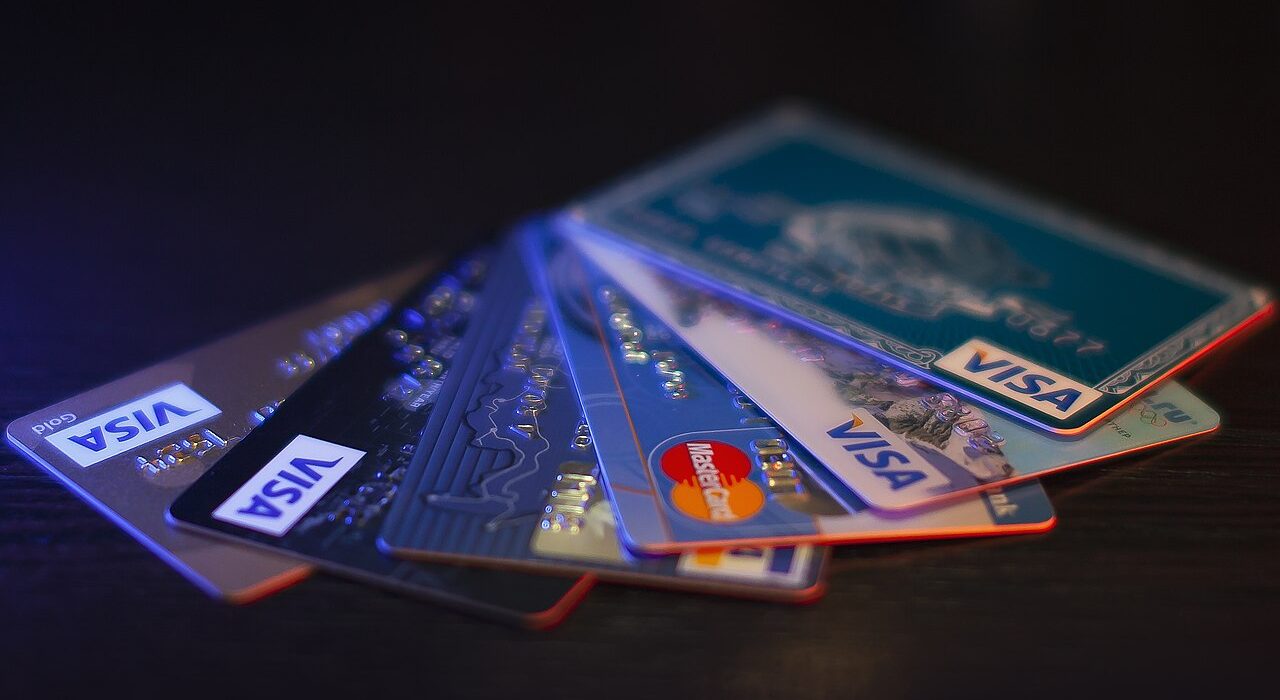
| Debit and credit cards (Visa, Mastercard) | Card details at checkout, usually with OTP or 3-D Secure | Instant confirmation, works for overseas customers with international cards | Gateway fees, some customers distrust entering card details |
| Mobile wallets (e.g. JazzCash, Easypaisa) | Wallet number at checkout, confirmed with an OTP or in-app approval | Large user base, familiar to many non-card users | Needs a gateway or direct merchant integration, plus wallet-specific onboarding |
| Raast (QR, alias, IBAN or Request to Pay) | Instant transfer from a bank or wallet app | Instant settlement to your account, no fee for the customer | Matching payments to orders can be manual unless your provider automates it |
| Manual bank transfer | Customer transfers and sends a screenshot | No integration needed | Slow, error-prone and open to fake screenshots, so avoid it at scale |
Under the State Bank’s Raast P2M framework, customers pay no fee for merchant payments, while merchant service providers may charge merchants a reasonable fee. Check current pricing with your bank or provider.
The true cost of a COD order: a worked example
The table below compares one prepaid order with one COD order. The figures are illustrative assumptions, not quotes from any courier or gateway. Replace them with your own rates.
Assumptions: order value PKR 3,000, product cost PKR 1,500, packaging PKR 50, delivery PKR 250 each way, a COD handling charge of PKR 50, a digital payment fee of 2.5%, and a COD refusal rate of 15%. Withholding is 2% on COD and 1% on digital payments, in line with current FBR rules.
| Line item (PKR) | Prepaid order | COD order (delivered) | COD order (refused) |
|---|---|---|---|
| Revenue | 3,000 | 3,000 | 0 |
| Product cost | −1,500 | −1,500 | 0 (returns to stock) |
| Packaging | −50 | −50 | −50 |
| Forward delivery | −250 | −250 | −250 |
| Return delivery | 0 | 0 | −250 |
| Payment or COD handling fee | −75 (2.5%) | −50 | 0 |
| Withholding tax | −30 (1%) | −60 (2%) | 0 |
| Result per order | 1,095 | 1,090 | −550 |
A delivered COD order looks almost as profitable as a prepaid one. But at a 15% refusal rate, the expected result per COD parcel you dispatch is roughly (0.85 × 1,090) + (0.15 × −550) ≈ PKR 844, about PKR 250 less than a prepaid order. That gap does not yet include the cost of waiting for COD cash, staff time on confirmation calls, or stock that comes back damaged.
This tells you something useful. In this scenario, you could give prepaid customers PKR 150 off or free delivery and still earn more than on an average COD order. Run the numbers with your own costs. The gap is often larger than sellers expect.
Rule of thumb: Your prepaid incentive can be worth up to the difference between your prepaid profit and your expected COD profit per dispatch. Spend that gap on getting customers to pay upfront, instead of losing it to refused parcels.
How to make prepaid the attractive choice
Customers switch from COD when paying upfront clearly benefits them and feels safe. Effective incentives include:
- Free or discounted delivery on prepaid orders. This is often the easiest offer to understand.
- A small prepaid discount, such as a fixed amount off, shown clearly at checkout.
- Priority dispatch, so prepaid orders ship first, which also cuts the time the customer has to change their mind.
- Loyalty rewards, for example extra points or early access for customers who pay online.
Reassurance matters as much as the incentive. Display recognisable payment logos, use a secure checkout, publish a clear refund policy for prepaid orders and show a phone or WhatsApp number. A customer worried about “what if it doesn’t arrive?” needs to know exactly how refunds work.
How to keep COD under control
You can’t eliminate COD risk, but you can shrink it significantly.
Confirm before you dispatch
Call or send a WhatsApp message to confirm every COD order, especially from new customers, before it leaves your premises. Orders that can’t be confirmed within a set time can be held or cancelled. This one habit filters out many fake and impulse orders.
Set sensible COD limits
- Cap COD order values, or require a partial advance, such as the delivery charge, for high-value orders and first-time customers in high-refusal areas.
- Note that the FBR has set a Rs 200,000 limit on cash-based transactions at retail outlets and on cash-on-delivery e-commerce orders, so very large orders need a digital payment anyway.
Use your customer history
Track refusals per customer and per phone number. Offer COD freely to customers with a good delivery record, and ask repeat refusers to prepay. Customer profiles with purchase history make this straightforward.
Reduce “not as expected” refusals
Many refusals happen because the product doesn’t match expectations or the customer has cooled off by the time it arrives. Accurate photos, size charts, honest descriptions and fast dispatch all reduce refusals.
Choose couriers carefully
Compare couriers on coverage, delivery speed, how they handle failed deliveries and reattempts, return charges and how quickly they remit COD cash. Our shipping and delivery strategy guide covers courier selection in depth.
Tax and compliance: why the payment method matters
Under FBR rules issued in 2025 (Section 6A of the Income Tax Ordinance), tax is withheld on online sales at source:
- 1% is withheld by payment intermediaries, such as banks and gateways, on orders paid digitally.
- 2% is withheld by couriers on cash-on-delivery orders before they remit the money to you.
The same rules require e-commerce sellers to be registered for income tax, and couriers and marketplaces are not supposed to serve unregistered sellers. The lower rate on digital payments is one more reason to encourage prepaid orders. Tax rules can change with each budget, so check the current rates and how withheld tax applies to your return with a qualified tax adviser.
Cash flow and reconciliation
With COD, a sale isn’t really complete until the courier has remitted the cash to you. Build a simple routine:
- Record every order with its payment method, courier and tracking number.
- Each week, match courier remittance statements against delivered COD orders, line by line.
- Chase missing remittances and disputed deductions promptly. Small discrepancies add up.
- Reconcile gateway and Raast settlements against prepaid orders the same way.
- Track refusal rate by city, product, courier and customer type, and adjust COD rules where refusals cluster.
- Plan stock purchases around when cash actually arrives, not when orders are placed.
Setting up your payment mix: a checklist
- Offer COD plus at least one digital option at launch: cards, and wallets or Raast where your provider supports them.
- Work out your real per-order profit for prepaid and COD using your own costs.
- Choose a prepaid incentive worth less than the profit gap you calculated.
- Write a clear refund policy for prepaid orders and link it from checkout.
- Set up order confirmation calls or WhatsApp messages for COD orders.
- Define COD limits and advance-payment rules for high-value or high-risk orders.
- Register for income tax so couriers and payment providers can keep serving you.
- Review refusal rate, prepaid share and remittance times every month.
How Baselyne helps
Baselyne supports both sides of the payment mix out of the box. Customers can pay by Visa or Mastercard through built-in payment processing, or choose Cash on Delivery. Integrated shipping keeps orders and dispatch in one place, and customer profiles with purchase history help you see who has a reliable delivery record. Reports let you track how your sales split across payment methods over time.
See what’s included on the features page and compare plans on the pricing page. To discuss payment setup for your business, contact our team, or start a 14-day free trial. For the bigger picture, read why e-commerce is significant for businesses in Pakistan.
Frequently asked questions
Should I stop offering cash on delivery?
For most Pakistani consumer stores, no. COD is still how many customers, especially first-time buyers, feel comfortable ordering. Keep COD, but use confirmation calls, limits and prepaid incentives so it doesn’t eat into your margins.
Is it fair to charge extra for COD?
It can be, if you are transparent about it. Many sellers prefer to frame it positively, by giving prepaid customers free delivery or a discount, rather than adding a COD fee, which can feel like a penalty. Either way, show the difference clearly before the customer places the order.
Which digital payment methods should a Pakistani online store accept?
Ideally, debit and credit cards plus at least one account- or wallet-based option, such as mobile wallets or Raast. State Bank data shows account- and wallet-based payments now make up most e-commerce transactions processed via banks, so offering cards alone leaves many digital payers out.
How much tax is withheld on online orders?
Under FBR rules issued in 2025, payment intermediaries withhold 1% on digitally paid orders and couriers withhold 2% on cash-on-delivery orders. Rates can change with each budget, so confirm the current rates with a tax adviser.
How can I reduce COD refusals?
Confirm orders by phone or WhatsApp before dispatch, ask for a partial advance on high-value or high-risk orders, use accurate photos and size information, dispatch quickly and keep track of customers who have refused before.
Sources
- State Bank of Pakistan: Annual Payment Systems Review FY26
- ProPakistani: SBP rolls out much-awaited Raast P2M service
- DHL: How Pakistani e-commerce sellers can reduce COD returns
- Profit: FBR issues new rules for e-commerce seller registration, tax on digital transactions
- PKRevenue: Pakistan tax rates on e-commerce digital payments for tax year 2027
- Profit: FBR sets Rs 200,000 cash limit for retail, e-commerce CoD payments